Before the First Drop Falls: The Overlooked Preparation Steps That Define a Truly Exceptional Cup
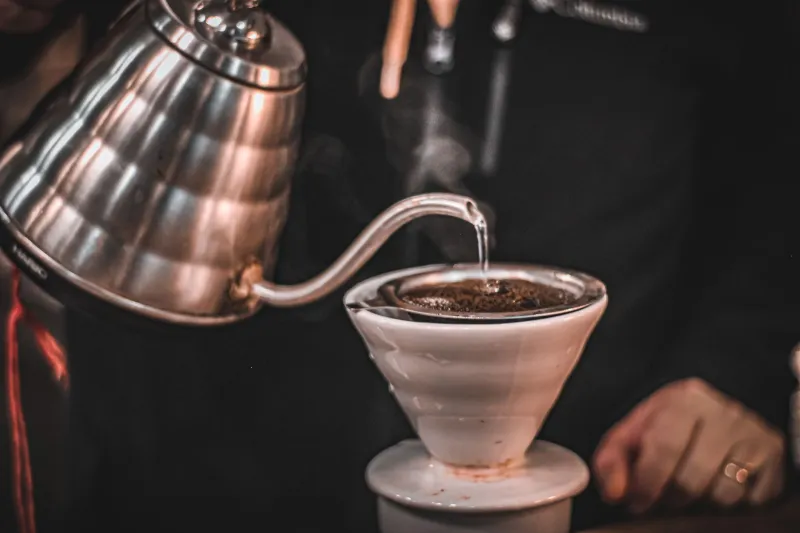
There is a particular kind of attention that separates a good cup of coffee from a genuinely revelatory one. It is not found in the roast profile alone, nor solely in the elevation at which the cherries were grown. It exists, quietly and persistently, in the minutes before brewing begins—in the calibration of a grinder, the temperature of water drawn from a kettle, the warmth of a ceramic vessel waiting to receive the first pour.
For those who have invested in premium, single-origin beans—sourced with the care and intention that defines Maruyama Coffee's approach—pre-brew preparation is not a formality. It is the final, essential act of stewardship before flavor is released into the cup.
Why Preparation Is Where Sourcing Meets Flavor
Consider the journey a single coffee cherry makes before it reaches your kitchen. Farmers in remote highlands tend to their trees across seasons. Pickers select only the ripest fruit. Processors apply careful technique—whether washed, natural, or honey—to shape the bean's chemical composition. Exporters, importers, and roasters each handle the coffee with deliberate purpose.
Then, at the very last moment, the responsibility passes entirely to you.
Pre-brew preparation is the bridge between everything that happened on a hillside thousands of miles away and what you actually taste in your cup. When that bridge is constructed carelessly—when water is too hot, when grounds are unevenly milled, when a cold vessel shocks the brew—the flavors that were cultivated across months of agricultural labor are diminished in a matter of seconds.
This is not an argument for perfectionism. It is an argument for intentionality.
Grinder Calibration: The Step Most People Skip
Grind consistency is, arguably, the single most influential variable within a home brewer's control. A premium burr grinder produces grounds of uniform size, which extract at a consistent rate and yield a balanced, clean cup. An inconsistent grind—whether from a blade grinder or a poorly calibrated burr set—creates a chaotic mixture of fine and coarse particles that extract unevenly, producing both under-extracted bitterness and over-extracted astringency in the same brew.
Before brewing, take a moment to assess your grinder settings. Have you adjusted for a new bag of beans? Different coffees behave differently. A light-roasted Ethiopian natural, for instance, will often require a slightly finer grind than a medium-roasted Colombian washed, even if you are using the same brewing method. Dialing in is not a one-time task; it is an ongoing conversation between brewer and bean.
If you have not cleaned your grinder recently, that, too, deserves attention. Stale coffee oils accumulate on burrs and in chambers, and they will quietly contaminate the flavor of even the freshest specialty coffee.
Water Temperature: Precision as a Form of Respect
Water temperature is a subject that receives considerable attention in brewing guides, and rightly so. Yet it remains one of the most commonly overlooked variables in everyday preparation. The Specialty Coffee Association generally recommends brewing temperatures between 195°F and 205°F, with many experienced brewers landing closer to 200°F for lighter roasts and slightly lower for darker ones.
Boiling water—212°F at sea level—extracts harshly, scorching delicate aromatic compounds and amplifying bitterness. Water that is too cool fails to fully solubilize the desirable flavor compounds, leaving the cup flat and underdeveloped.
A gooseneck kettle with a built-in thermometer or a temperature-controlled electric kettle removes the guesswork entirely. If neither is available, allowing boiled water to rest for approximately thirty seconds before pouring brings it into an acceptable range. The point is not to chase a precise number obsessively, but to develop a consistent habit that removes temperature as a variable in your results.
Vessel Warming: A Small Act With Measurable Impact
Pouring a hot brew into a cold vessel is a subtle but meaningful error. Cold ceramic or glass draws heat from the liquid immediately, dropping the temperature of the brew before it reaches your palate at its intended profile. More practically, thermal shock can alter the way volatile aromatic compounds present themselves in the first moments after brewing—those same compounds responsible for the floral, fruity, or caramel notes that make a well-sourced coffee worth savoring.
Warming your vessel takes less than a minute. Pour hot water into your brewing device—whether a pour-over dripper, a French press, or an Aeropress chamber—and into your cup or carafe. Let it sit for thirty seconds while you attend to other preparation steps. Discard the water before brewing. The result is a thermally stable environment that allows your coffee to express itself fully from the first pour to the final sip.
Bean Selection and Rest: The Preparation That Begins Days Earlier
Pre-brew preparation does not begin at the grinder. It begins when you open a bag of freshly roasted coffee and consider how long it has been resting.
Freshly roasted coffee undergoes a process called degassing, during which carbon dioxide produced during roasting slowly escapes from the bean. Coffee that has not rested sufficiently will bloom unevenly during a pour-over, resist full extraction, and produce a cup that tastes underdeveloped or oddly hollow. Most specialty roasters recommend allowing whole-bean coffee to rest for at least five to seven days post-roast before brewing, with some coffees—particularly naturals—benefiting from resting up to two weeks.
Conversely, coffee that has rested too long—beyond three to four weeks from the roast date, depending on packaging—begins to lose the volatile aromatic compounds that make specialty coffee worth drinking. Purchasing in quantities you will consume within a reasonable window, and storing beans in an airtight container away from light and heat, preserves their integrity until the moment they meet the grinder.
The Mindfulness Argument for a Deliberate Pre-Brew Practice
There is a quieter dimension to pre-brew preparation that extends beyond extraction chemistry. The act of moving through a deliberate sequence—checking the grinder, measuring water temperature, warming the vessel, considering the rest time of the beans—creates a structured pause in the morning. It asks something of you before the day asks everything of it.
This is not incidental. The ritual of preparation is, in many ways, the point. It is the moment in which a commodity becomes a craft, and a beverage becomes an experience worth having. For those who have sought out premium, purposefully sourced coffee, the pre-brew ritual is the natural extension of that intention—a way of honoring the sourcing chain by completing it with care.
Closing Thoughts
The farmers, processors, and roasters who contribute to an exceptional bag of coffee do their work long before you open the bag. What you do in the final minutes before brewing is your contribution to that collaborative effort. Pre-brew preparation is not a burden or an affectation; it is the simplest way to ensure that everything done before those grounds ever reached your kitchen is not lost in the last, most controllable moments of the process.
Brew with intention. Prepare with the same.