Lost in Translation: Bridging the Language Gap Between Roasters and the Cups They Describe
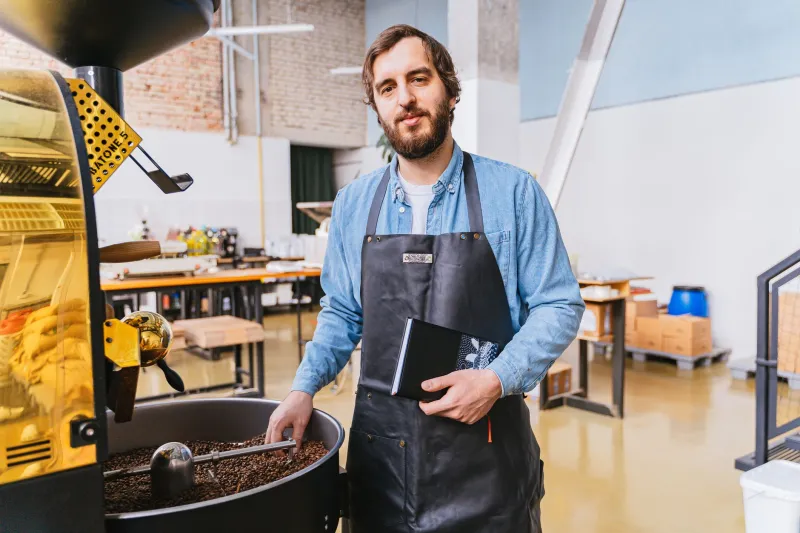
Stand in any specialty coffee shop in the United States and read the tasting notes displayed on a bag of single-origin beans. Chances are you will encounter descriptors like "jasmine florality," "candied Meyer lemon," "dried apricot finish," or "red currant acidity." These are not invented phrases. They are the sincere observations of trained professionals who have spent years calibrating their palates against international flavor standards. And yet, for most home brewers reaching for that same bag at home, the experience of tasting those notes can feel somewhere between elusive and entirely absent.
This disconnect is not a failure of perception on the brewer's part, nor is it deliberate mystification on the roaster's. It is, at its core, a language problem — one rooted in professional training, regional vocabulary, and the fundamental subjectivity of taste. Understanding the gap is the first step toward closing it.
Why Roasters Describe Coffee the Way They Do
Specialty coffee professionals are trained within a structured sensory framework. The Specialty Coffee Association's Q Grader certification, for example, requires candidates to identify and score coffees across attributes including fragrance, aroma, flavor, aftertaste, acidity, body, balance, uniformity, and overall impression. This system borrows heavily from the language of wine and fine food, and it is calibrated against a shared reference library — the World Coffee Research Sensory Lexicon — which defines over one hundred flavor attributes with specific physical reference standards.
When a roaster writes "blackcurrant" on a bag, they are drawing on a specific, trained association: a flavor compound profile verified against actual blackcurrant samples during professional cupping sessions. The descriptor is precise within its own system. The problem is that most home brewers have never participated in that system, and many have never tasted a fresh blackcurrant at all — a fruit that remains far less common in American grocery stores than in European markets.
Regional food culture matters enormously here. Descriptors like "tamarind," "yuzu," or "gooseberry" may resonate immediately with certain American consumers and draw a complete blank from others. A roaster based in Portland or Brooklyn may unconsciously lean on a food vocabulary shaped by farmers' markets and international cuisine that does not translate evenly across the country.
The Most Common Terminology Mismatches
Certain categories of coffee language cause consistent confusion for home brewers encountering specialty coffee for the first time.
Acidity is perhaps the most misunderstood. In everyday American usage, acidity implies something sharp, sour, or potentially unpleasant — the sensation of biting into an unripe lemon. In specialty coffee, acidity is a positive structural attribute describing brightness, vibrancy, and complexity. A coffee described as having "bright citric acidity" is being praised, not warned against. Home brewers who avoid "acidic" coffees based on this misunderstanding may be systematically excluding some of the most nuanced offerings available.
Sweetness presents the opposite challenge. A coffee described as "sweet" does not contain added sugar, nor will it necessarily taste sweet in the way a dessert does. Roasters use sweetness to describe a clean, rounded finish with low bitterness and a sense of completeness. Expecting a caramel-like sweetness and encountering something more subtle can leave brewers feeling the coffee failed to deliver.
Floral and fruity descriptors frequently generate disappointment because they describe aromatic compounds that are highly volatile and therefore most present in the dry fragrance and wet aroma of freshly ground coffee — not necessarily in the liquid itself. Many of these notes bloom between 30 and 90 seconds after grinding, before water contact. A home brewer who skips the step of smelling freshly ground coffee may be bypassing the very experience the tasting notes are describing.
Regional Vocabulary and the American Palate
The specialty coffee industry has historically developed its vocabulary in close dialogue with European and East Asian tasting cultures, where certain reference fruits, fermented foods, and floral associations are more culturally embedded. American consumers bring their own powerful set of flavor references — stone fruits from California summers, the specific sweetness of Southern peaches, the caramel character of Midwestern desserts — that do not always map neatly onto the internationalized language of specialty coffee.
Some forward-thinking American roasters have begun adapting their language accordingly, grounding tasting notes in more widely shared domestic references. Describing a coffee as tasting like "the inside of a peach cobbler" or "unsweetened cranberry juice" connects the sensory experience to shared cultural memory in a way that "Maraschino cherry brightness" may not.
At Maruyama Coffee, the sourcing philosophy is rooted in direct relationships with producers whose growing environments create genuinely distinct flavor profiles. Communicating those distinctions to home brewers requires meeting the palate where it actually lives — not where professional training assumes it should be.
A Practical Translation Framework
Rather than abandoning tasting notes as marketing language, home brewers can approach them as a structured invitation to explore. The following framework offers a more productive way to engage with roaster descriptions.
Step one: Smell before you brew. Grind your coffee immediately before brewing and pause to smell the grounds. Much of what roasters describe as floral or fruity lives here, in the dry fragrance and bloom aroma. This step alone can make tasting notes dramatically more legible.
Step two: Reframe the vocabulary. When a roaster writes "acidity," substitute the word "brightness" and ask whether the coffee feels lively or flat on the palate. When they write "body," ask whether the coffee feels like water, whole milk, or something in between. These physical substitutions ground abstract language in sensation.
Step three: Build your own reference library. Keep a brief tasting journal. After each brew, write three words that come naturally to you — not the words on the bag. Over time, patterns will emerge that are genuinely yours. Cross-referencing your language with the roaster's description becomes an act of discovery rather than an exercise in self-doubt.
Step four: Taste the reference. If a bag describes "dried fig sweetness," buy some dried figs. Taste them alongside your coffee. The alignment may surprise you. This practice is exactly what professional cuppers do — and it is available to anyone.
The Reward of Closing the Gap
The language of specialty coffee is not designed to exclude. It is an imperfect attempt to share a genuinely complex sensory experience across vast distances of culture, training, and individual perception. When a producer in a remote growing region harvests coffee with extraordinary care, and a roaster works to honor that effort through precise roasting and honest description, the tasting note on the bag is a kind of message in a bottle — sent with sincerity, but requiring translation.
Learning that translation is one of the deeper pleasures of engaging seriously with specialty coffee. It transforms the act of brewing from a routine into a conversation — one that, with practice, becomes increasingly fluent.