Three Methods, One Coffee: A Practical Guide to Unlocking Flavor Through Intentional Brewing
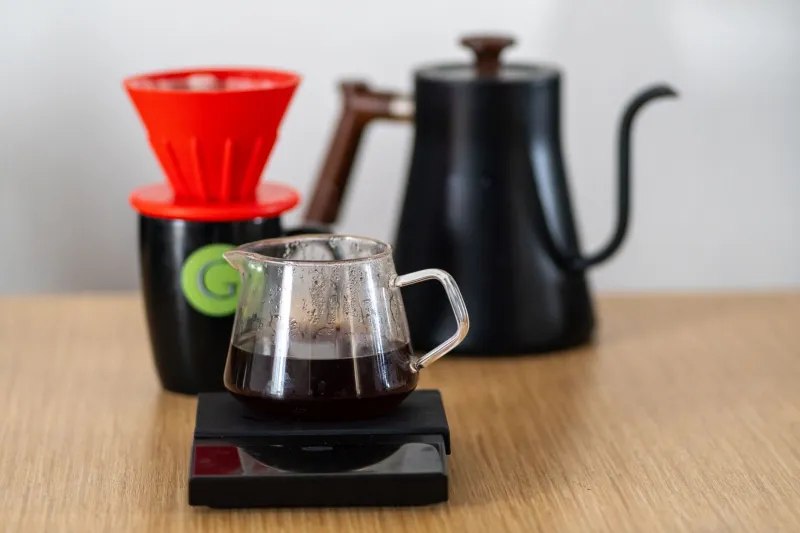
Imagine handing the same piece of music to three different orchestras and asking each to perform it. The notes on the page are identical. But the interpretation — the tempo, the dynamics, the texture — will differ in ways that reveal entirely different dimensions of the composition. Brewing coffee works on a similar principle. The beans in your grinder carry a fixed set of compounds: acids, sugars, oils, and aromatic molecules. The method you use to extract those compounds determines which ones dominate your cup, which recede, and which disappear entirely.
This guide puts three of the most popular brewing methods — cold brew, pour over, and French press — through their paces using coffees from Maruyama's catalog, with the goal of helping you make deliberate choices rather than habitual ones. Intentional brewing is not about complexity for its own sake. It is about understanding your tools well enough to use them in service of the experience you want.
Understanding Extraction: A Brief Foundation
Before comparing methods, it helps to understand what "extraction" actually means. When hot (or cold) water contacts ground coffee, it dissolves soluble compounds in a predictable sequence: first acids, then sugars and caramels, then heavier oils and bitter compounds. The goal of any brewing method is to capture enough of the desirable middle range — sweetness, body, complexity — without over-extracting the harsh compounds at the tail end of the process.
Three variables govern extraction across all methods:
- Grind size — Finer grinds expose more surface area and extract faster; coarser grinds extract more slowly.
- Water temperature — Hotter water is a more aggressive solvent; cooler water is more selective.
- Contact time — Longer contact extracts more; shorter contact extracts less.
Each brewing method manipulates these variables in different ways, which is why the same coffee can taste bright and floral from a pour over and rich and chocolatey from a French press.
Method One: Pour Over — Clarity and Brightness
What It Does
The pour over method — whether you are using a Hario V60, a Chemex, or a Kalita Wave — is fundamentally a filtration-forward approach. Water passes through the coffee bed under gravity, and a paper filter removes most of the oils and fine particles before the liquid reaches your cup. The result is a clean, transparent brew that highlights acidity, floral notes, and delicate aromatics.
For Maruyama's Ethiopian Yirgacheffe, the pour over is arguably the ideal vehicle. The method's clarity allows the coffee's natural jasmine and citrus characteristics to surface without interference.
Step-by-Step Instructions
- Grind: Medium-fine (similar to table salt). Use approximately 1 gram of coffee per 15–16 grams of water.
- Water temperature: 200–205°F (just off a full boil).
- Bloom: Pour twice the weight of coffee in water (e.g., 30g water for 15g coffee) and wait 30–45 seconds. This allows CO₂ to escape and ensures even saturation.
- Pour in stages: Add water in slow, circular pours every 30–45 seconds, keeping the water level consistent.
- Total brew time: 3–4 minutes.
Timing Reference
| Stage | Time | Action |
|---|---|---|
| Bloom | 0:00–0:45 | Add 2× coffee weight in water |
| Pour 1 | 0:45–1:30 | Bring to 40% of total water |
| Pour 2 | 1:30–2:15 | Bring to 70% of total water |
| Pour 3 | 2:15–3:00 | Bring to 100% of total water |
| Drawdown | 3:00–4:00 | Allow to drain completely |
Best suited for: Light to medium roasts with pronounced floral, citrus, or stone fruit characteristics. Maruyama's Ethiopian and Kenyan single origins shine here.
Method Two: French Press — Body and Richness
What It Does
The French press is an immersion brewer: grounds and water steep together for several minutes before a metal mesh plunger separates them. Crucially, that metal filter does not remove oils or fine particles the way paper does. The result is a fuller-bodied, texturally rich cup that emphasizes chocolate, nut, and earthy notes while softening acidity.
For Maruyama's Colombian Huila offerings — with their brown sugar sweetness and rounded structure — the French press creates a deeply satisfying experience that feels almost luxurious in texture.
Step-by-Step Instructions
- Grind: Coarse (similar to coarse sea salt). Use a 1:15 ratio (e.g., 30g coffee to 450g water).
- Water temperature: 195–200°F.
- Steep: Pour all water over grounds, stir gently, and place the lid on (plunger up) without pressing.
- Wait: 4 minutes.
- Plunge slowly: Apply gentle, steady pressure over 20–30 seconds.
- Pour immediately to prevent over-extraction from continued contact.
Pro tip: Allow the brew to rest 30 seconds after plunging before pouring. Fine particles will settle slightly, improving clarity in the final cup.
Best suited for: Medium to dark roasts with chocolatey, nutty, or spiced profiles. Maruyama's Colombian lots are an excellent match. Avoid using very light, delicate roasts, as the method can make them taste muddy.
Method Three: Cold Brew — Sweetness and Low Acidity
What It Does
Cold brew is a fundamentally different extraction process. Using room-temperature or cold water over an extended steep time (12–24 hours), it selectively extracts sugars and mellower flavor compounds while leaving behind many of the volatile acids responsible for brightness. The resulting concentrate is smooth, naturally sweet, and remarkably low in perceived acidity — which makes it an excellent choice for those who find hot-brewed coffee hard on the stomach.
For American coffee drinkers who prefer their coffee iced during warmer months — which is to say, a substantial portion of the country for much of the year — cold brew made with Maruyama's Kenyan offerings produces a concentrate with a distinctive, almost grape-like sweetness and a velvety finish.
Step-by-Step Instructions
- Grind: Extra coarse (similar to breadcrumbs). Use a 1:8 ratio for concentrate (e.g., 100g coffee to 800g cold filtered water).
- Combine coffee and water in a jar or dedicated cold brew vessel. Stir to ensure all grounds are saturated.
- Steep: Refrigerate for 16–24 hours. Longer steeps produce stronger, more complex concentrates.
- Filter: Strain through a fine mesh sieve, then again through a paper filter or cheesecloth.
- Serve: Dilute concentrate with water or milk at a 1:1 ratio, or adjust to taste. Serve over ice.
Best suited for: Medium roasts with natural sweetness and moderate complexity. Kenyan and Colombian lots work particularly well. Very light roasts may taste thin when cold-brewed.
Choosing the Right Method for Your Roast
Here is a practical summary to guide your decisions:
| Roast Profile | Pour Over | French Press | Cold Brew |
|---|---|---|---|
| Light (floral, citrus) | ★★★★★ | ★★☆☆☆ | ★★★☆☆ |
| Medium (fruit, caramel) | ★★★★☆ | ★★★★☆ | ★★★★☆ |
| Medium-Dark (chocolate, nut) | ★★★☆☆ | ★★★★★ | ★★★★☆ |
| Dark (bold, smoky) | ★★☆☆☆ | ★★★★★ | ★★★☆☆ |
The Intentional Brewer's Mindset
There is no universally superior brewing method — only methods that are more or less aligned with a specific coffee and a specific preference. The value of exploring all three lies not in declaring a winner but in developing a more nuanced relationship with your coffee. When you understand that a pour over will emphasize the floral delicacy of a Yirgacheffe while a French press will draw out the body of a Huila, you begin to make choices rather than simply following habits.
This is precisely what brewing with intention means at Discover Maruyama Coffee. The sourcing side of the equation — the direct relationships, the carefully selected lots, the transparency about origin — creates the raw potential for an exceptional cup. The brewing side is where that potential is either realized or squandered.
Take the time to experiment. Brew the same bag three different ways. Compare the results side by side. The coffee will surprise you, and so will your own palate.