From Hillside to Cup: The Farmers and Friendships That Define Maruyama's Single-Origin Sourcing
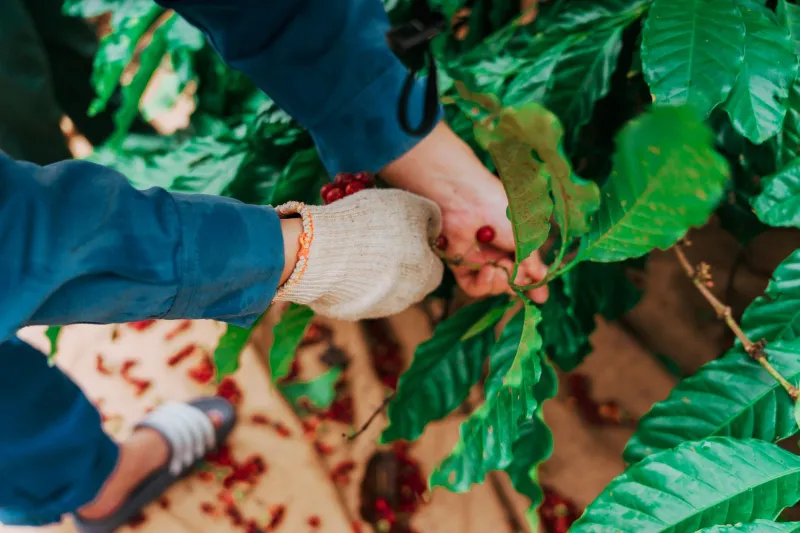
There is a moment, familiar to anyone who has paused before brewing a bag of fine single-origin coffee, when the question surfaces almost involuntarily: Where did this come from? For most of the history of commercial coffee, that question went unanswered — blends obscured geography, middlemen erased names, and the farmer who coaxed a harvest from volcanic soil remained invisible. Maruyama Coffee was built, in part, to change that. Through years of direct trade relationships cultivated across three continents, the brand has made origin transparency not a marketing footnote but the very foundation of how it operates.
What follows is a closer look at the people, places, and principles that give each Maruyama single-origin roast its identity.
Why Direct Trade Changes Everything
Before exploring specific origins, it is worth understanding what "direct trade" actually means in practice — because the term is used loosely across the specialty coffee industry, and not all sourcing relationships are created equal.
For Maruyama, direct trade means traveling to farms, sitting across tables from producers, and negotiating pricing that reflects the true cost of exceptional quality rather than commodity market fluctuations. It means returning year after year, building institutional knowledge of a region's microclimate and processing methods, and co-investing in improvements that benefit both the harvest and the farming community. The result is a supply chain with far fewer intermediaries, which translates to higher farmgate prices for growers and greater traceability for consumers in the United States and beyond.
This approach is not incidental to quality — it is the engine of it. When a farmer knows that a roaster will pay a premium for meticulous cherry selection or careful fermentation, the incentive to invest in those practices becomes concrete and reliable.
Ethiopia: Where Coffee Began, and Where Discovery Continues
Ethiopia is, by most accounts, the birthplace of coffee as a cultivated crop, and Maruyama's relationships in the country reflect a deep respect for that heritage. In the Yirgacheffe zone of the Gedeo region, Maruyama works with smallholder farmers whose families have tended coffee gardens — known locally as garden coffee — for generations. These are not monoculture plantations. The trees grow beneath a canopy of banana, enset, and indigenous hardwoods, producing beans with the complex floral and citrus characteristics that have made Ethiopian coffee legendary among specialty roasters.
One partner farmer, whose family cultivates approximately two hectares in a village outside Kochere, described the shift that came with direct trade access: "Before, we sold to a local collector and never knew the price until he arrived. Now we plan the harvest around quality. We know what we are growing toward." That sense of intentionality — knowing that careful processing will be recognized and rewarded — has led to measurable improvements in cherry sorting and drying bed management across the cooperative network Maruyama partners with in the region.
For American coffee drinkers, the result is a cup profile that rewards attention: jasmine and bergamot on the nose, a bright lemon acidity, and a lingering sweetness reminiscent of stone fruit. These are not characteristics that survive rough handling or indifferent sourcing.
Colombia: Precision in the Andes
Colombia's coffee-growing regions are remarkably diverse, and Maruyama has chosen to focus its Colombian sourcing in Huila — a department in the country's southwest that has emerged as one of the most celebrated origins in specialty coffee. Huila's combination of high altitude, rich volcanic soil, and a dual harvest cycle creates conditions that allow producers to develop unusual precision in their work.
Maruyama's relationship with a small family-run farm in the municipality of Pitalito illustrates how direct trade partnerships evolve over time. When the relationship began, the farm's processing infrastructure was rudimentary, and the coffee — while promising — showed inconsistencies in fermentation that masked its potential. Over several seasons, and with support that included technical guidance and access to improved drying equipment, the farm's lots have become among the most anticipated in Maruyama's annual sourcing calendar.
The flavor evolution has been remarkable to follow. Early lots showed a pleasant but somewhat flat caramel sweetness. Recent harvests from the same trees express a vibrant red apple acidity, notes of brown sugar and dark chocolate, and a clean, rounded finish that reflects the care now embedded in every stage of processing. This progression is only possible when a roaster and producer share a long-term horizon.
For consumers in the US, Colombian coffees from Huila represent an ideal entry point into single-origin exploration — approachable enough for those accustomed to blends, yet complex enough to reward more experienced palates.
Kenya: The Science of Sweetness and Acidity
Kenyan coffee occupies a singular position in the specialty world. Its characteristic brightness — sometimes described as a "blackcurrant" or "tomato" acidity — is the product of both terroir and an extraordinarily rigorous processing infrastructure. The country's cooperative system and its famous double-washing process produce coffees of remarkable clarity, and Maruyama has worked to access lots from the Central Province that represent the very top of that system.
Sourcing in Kenya requires navigating a more structured auction environment than in Ethiopia or Colombia, but Maruyama's long-standing presence and reputation within the specialty community has allowed the brand to build relationships with specific washing station managers and cooperative leaders. These connections provide early access to exceptional microlots before they reach broader auction channels.
One washing station manager in the Kirinyaga region, who oversees the processing of cherry from dozens of smallholder members, spoke about the value of working with buyers who engage directly rather than through intermediaries: "When the buyer visits, they see how we work. They understand the effort. And they come back, which gives us confidence to maintain our standards."
The coffees that emerge from these partnerships are among the most structurally complex in Maruyama's catalog — wines of the coffee world, in a sense — best appreciated by drinkers who have developed a taste for precision and intensity.
The Philosophy Behind the Practice
Maruyama's sourcing model is guided by a conviction that quality and ethics are not competing values but complementary ones. A farmer who receives fair, predictable compensation for exceptional work has both the means and the motivation to maintain high standards. A roaster that invests in those relationships gains access to coffees that could not be produced under different conditions. And a consumer who understands the chain of care that produced their morning cup experiences something that transcends ordinary consumption.
This is what "sourced with purpose" means in practice. It is not a tagline applied to an existing supply chain — it is the supply chain itself, shaped by values that run from the hillside farm to the American kitchen.
The next time you open a bag of Maruyama single-origin coffee, consider the distance it has traveled — not just in miles, but in the accumulated decisions, relationships, and intentions that made it possible. That context does not change the chemistry of extraction, but it changes everything about the experience of discovery.