When Your Morning Ritual Has Become Routine: A Framework for Starting Over
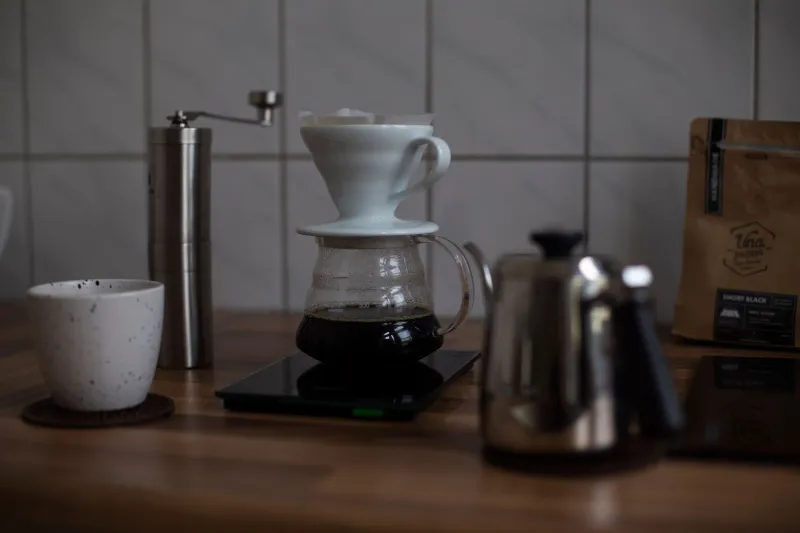
The Ritual That Stopped Being One
At some point, you probably remember what it felt like when your morning coffee routine was genuinely yours. The particular sequence of steps, the smell that arrived before the cup, the brief interval of quiet before the day's demands assembled themselves—it meant something. It was, in the truest sense of the word, a ritual: a repeated practice invested with attention and intention.
And then, gradually, it wasn't. The steps became automatic. The cup appeared, got consumed, and was forgotten before you reached the door. The ritual became routine, and the distinction matters more than it might seem.
This article is for the coffee drinker who recognizes that description. Not because anything has gone dramatically wrong, but because something has quietly faded—and because that fading is worth addressing with the same thoughtfulness that built the practice in the first place.
Recognizing the Drift Before It Becomes Permanent
The transition from ritual to routine rarely happens all at once. It accumulates through small concessions: the morning you skipped the bloom step because you were running late, the week you bought pre-ground because the grinder needed cleaning, the month you stopped tasting and started just drinking. Each individual compromise is reasonable. Collectively, they rewrite the practice.
A few reliable indicators suggest that a coffee ritual has lost its intentionality. You rarely notice the flavor of what you are drinking. You could not describe the coffee in your current bag beyond its roast level. The brewing process feels like an obstacle between you and wakefulness rather than a transition worth inhabiting. You have not changed anything about your setup in a year or more—not because it is perfect, but because you stopped paying attention.
None of these signs are causes for alarm. They are simply information. The practice has drifted, and drift is correctable.
The Case for Dismantling What Used to Work
One of the more counterintuitive aspects of rebuilding a ritual is that it often requires dismantling the version that preceded it—even if that version was once excellent. Holding onto a practice because it used to serve you, when it no longer does, is a form of inertia that masquerades as loyalty.
This is particularly true for coffee routines that were built around a specific season of life. The pour-over practice that made perfect sense during a period of slower mornings may be genuinely incompatible with a life that now includes an earlier alarm and a fuller schedule. The single-origin exploration that once felt exciting may have settled into a comfortable rut that no longer challenges your palate. Acknowledging this honestly is the first act of rebuilding.
Permission to start over—completely, if necessary—is not a concession of failure. It is recognition that a good ritual is a living thing, and living things require periodic renewal.
Step One: Audit Your Current Practice Without Judgment
Before introducing any changes, spend one week observing your existing routine as though you were documenting someone else's. Note the time at which you begin, the steps you take and in what order, the degree of attention you bring to each one, and the quality of the experience at the end. Write it down if that is useful.
The goal is not to critique what you find, but to see it clearly. You may discover that the problem is simpler than you expected—a single step that has become a source of friction, or a timing issue that has made the whole sequence feel rushed. You may also discover that the practice has eroded more completely than you realized, and that a more substantial reset is warranted.
Either way, you are working with accurate information rather than assumptions.
Step Two: Identify What the Ritual Should Actually Provide
A coffee ritual can serve many functions, and the one you need may have changed. For some people, the morning brew is primarily about sensory engagement—a reliable window of genuine pleasure before the day's more complicated textures arrive. For others, it is about pace: a built-in reason to slow down and be physically present in a specific place for a specific interval. For still others, it is an intellectual practice, a daily exercise in tasting, comparing, and developing a more nuanced palate.
These are not mutually exclusive, but one tends to be primary. Identifying which function you actually want your ritual to serve—right now, in this season of your life—gives you a framework for making decisions about every other element: the method, the coffee, the timing, the space.
Step Three: Change One Element at a Time, Then Evaluate
The temptation when rebuilding a practice is to change everything simultaneously. A new brewer, a new origin, a new time of day, a newly designated space—all at once. This approach makes it nearly impossible to understand what is actually working, because there are too many variables in motion.
A more productive approach is sequential. Choose the single element that seems most likely to shift the experience, change only that, and live with the change for at least two weeks before adjusting anything else.
If your practice feels rushed, experiment with moving it fifteen minutes earlier rather than changing your method. If it feels monotonous, introduce a coffee from an origin you have never tried before without altering how you brew it. If the brewing process itself has become a source of friction, consider whether a different method—one that asks something different of you—might restore a sense of engagement.
For readers who have been brewing the same way for years, switching methods entirely can function as a genuine reset. Moving from an automatic drip machine to a manual pour-over, or from a French press to an AeroPress, introduces enough new variables to demand attention again. That renewed attention is often sufficient to restore the quality of presence that defined the practice at its best.
Step Four: Reconsider the Space
Physical environment shapes experience more than we typically acknowledge. If your coffee routine happens in the same corner of a kitchen that is also where you check your phone, answer messages, and plan your day, the ritual is competing with a great deal of noise—not all of it audible.
Designating a specific area for the brewing practice, even within a small kitchen, creates a mild but meaningful boundary. Keeping that space free of screens during the brewing interval is a simple act with a disproportionate effect on the quality of attention available. The ritual does not require a dedicated room. It requires a location that the mind associates with a particular quality of presence.
Rediscovery as a Practice in Itself
The most important thing to understand about rebuilding a coffee ritual is that the rediscovery process has its own value. The weeks spent experimenting with a new origin, learning the particular demands of an unfamiliar brewer, or simply paying closer attention to a cup you have been drinking without noticing—these are not delays on the way to a better practice. They are the practice.
Maruyama Coffee's sourcing philosophy is rooted in the belief that exceptional coffee rewards the attention brought to it. That principle applies as directly to the morning ritual as it does to the farm. The cup is the same. What changes is the quality of presence you bring to it—and whether that presence has been tended with the same care as the coffee itself.